
We asked five leading paving professionals from across Canada to share the most costly mistakes they see property owners make. Their insights, based on decades of combined experience, can save you thousands and prevent major headaches on your next paving project.
The experts argree: invest in proper planning, quality materials, experienced contractors, and comprehensive drainage.
Expert Panel
Sarah Chen, P.Eng – Geotechnical Engineer, Vancouver (22 years experience) Mike Dubois – Master Paving Contractor, Montreal (28 years experience) Jennifer Walsh – Commercial Paving Specialist, Toronto (19 years experience) Robert MacKenzie – Rural/Residential Contractor, Halifax (31 years experience) David Patel – Drainage and Site Development, Calgary (25 years experience)
MISTAKE #1: Ignoring Soil Conditions
Sarah Chen (Geotechnical Engineer, Vancouver):
“The biggest mistake I see is property owners and even some contractors assuming all soil is the same. In British Columbia alone, we deal with marine clay, glacial till, organic soils, and expansive clays—each requiring completely different approaches.
Last month, I consulted on a Richmond project where the homeowner insisted on proceeding without soil testing to ‘save money.’ The contractor built a beautiful driveway over organic soil that compressed 15 centimeters within six months. The $800 soil test would have prevented a $25,000 reconstruction.
My top recommendations:
- Always test soil conditions before major paving projects
- Understand seasonal variations—many BC soils behave differently in wet vs. dry seasons
- Budget for soil improvement if tests reveal problems
- Don’t assume existing driveways indicate good soil conditions
In challenging soil areas like the Fraser Valley, I recommend geotechnical consultation for any project over $15,000. The consultation cost is typically less than 5% of project value but prevents failures that cost 200-300% to fix.”
MISTAKE #2: Choosing Contractors Based on Price Alone
Mike Dubois (Master Contractor, Montreal):
“After 28 years in this business, I can tell you that 90% of customer complaints come from people who chose the cheapest quote. In Quebec, we see this constantly—homeowners get three quotes, pick the lowest, then call us two years later when their driveway is failing.
Here’s what typically happens with abnormally low quotes:
- Contractors cut base thickness by 30-50%
- Use inferior materials or reduce asphalt content
- Skip proper surface preparation
- Provide no warranty or disappear after project completion
Red flags I tell homeowners to watch for:
- Quotes more than 25% below others without clear explanation
- Contractors who don’t physically measure the site
- No written specifications for materials or thickness
- Pressure tactics or ‘limited time’ offers
What good contractors provide:
- Detailed written estimates with material specifications
- Local references from recent projects
- Current insurance and licensing documentation
- Clear warranty terms and contact information
I always tell customers: ‘You can pay me now for quality work, or pay someone else twice to fix cheap work later.’ The choice is yours, but cheap paving is never actually cheap.”
MISTAKE #3: Inadequate Base Preparation
Jennifer Walsh (Commercial Specialist, Toronto):
“In commercial work, we see the consequences of poor base preparation constantly. A driveway’s base is like a building’s foundation—you can’t see it, but it determines everything about long-term performance.
The most common base preparation mistakes:
1. Insufficient Depth: Many contractors excavate only 20-25cm when Ontario conditions typically require 30-45cm for proper performance.
2. Wrong Materials: Using recycled concrete without proper gradation, or pit-run gravel with excessive fines that don’t provide adequate drainage.
3. Poor Compaction: Inadequate compaction equipment or not compacting in proper lifts. We test compaction on all our projects—you’d be amazed how many fail initial tests.
4. Ignoring Drainage: Building bases without considering where water will go. In Toronto’s clay soils, this is recipe for disaster.
Case example: Last year, we reconstructed a Mississauga parking lot that had been ‘repaved’ three times in eight years. The original contractor had installed only 15cm of base over clay soil with no drainage. Each overlay failed within 18 months. Proper base preparation costs about 40% of total project, but represents 80% of long-term performance.”
MISTAKE #4: Ignoring Regional Climate Factors
Robert MacKenzie (Rural/Residential, Halifax):
“Atlantic Canada has unique challenges that contractors from other regions often don’t understand. We deal with freeze-thaw cycles, salt air, and soil conditions that change dramatically with moisture content.
Mistakes specific to our region:
1. Wrong Material Specifications: Using asphalt mixes designed for Ontario or Alberta that don’t perform in our maritime climate. Our temperature swings and moisture levels require specific mix designs.
2. Inadequate Drainage: Contractors underestimate our rainfall and don’t design adequate drainage systems. Halifax gets 140cm of precipitation annually—drainage isn’t optional.
3. Timing Errors: Starting projects too early in spring when frost is still coming out, or too late in fall before temperature drops. Our weather windows are shorter than central Canada.
4. Salt Exposure Ignorance: Coastal properties need special considerations for salt air exposure that inland contractors often miss.
Regional best practices I recommend:
- Use Maritime-specific asphalt mixes designed for our climate
- Install comprehensive drainage systems, not just surface grading
- Plan construction timing around our specific weather patterns
- Consider salt exposure protection for properties within 10km of coast
I’ve been doing this for 31 years, and I can predict driveway failures just by looking at who installed them and whether they understood local conditions.”
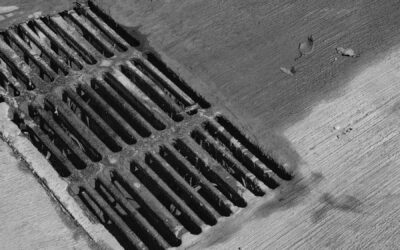
MISTAKE #5: Poor Drainage Planning
David Patel (Drainage Specialist, Calgary):
“Drainage problems cause more paving failures in Canada than all other factors combined. In Calgary, we see dramatic examples because of our clay soils and extreme weather patterns.
The most costly drainage mistakes:
1. Surface-Only Thinking: Property owners focus on surface appearance while ignoring subsurface water movement. Surface problems are usually symptoms of subsurface issues.
2. Ignoring Soil Type: Calgary’s Bearpaw clay expands and contracts dramatically with moisture changes. Ignoring this leads to guaranteed failure.
3. Inadequate Slope: Many contractors provide barely adequate 1% slope when Calgary conditions require 2-3% for reliable performance.
4. No Integration: Installing driveways without considering existing foundation drainage, landscape drainage, or municipal systems.
Real example: I consulted on a project where poor drainage caused $45,000 foundation damage within three years of new driveway installation. The driveway contractor saved $2,000 by not installing proper drainage—ended up costing the homeowner 20 times that amount.
My drainage recommendations:
- Every project needs subsurface drainage analysis
- Clay soil areas require French drains or equivalent systems
- Integrate driveway drainage with overall property water management
- Plan for 100-year storm events, not just average conditions
- Test drainage systems before final completion
Proper drainage costs about 15% of total paving project but prevents 90% of long-term problems.”
COMMON THEMES: What All Experts Agree On
Professional Assessment is Essential: All five experts emphasized that professional assessment prevents most major problems and costs far less than fixing failures.
Regional Expertise Matters: Each expert stressed the importance of contractors who understand local soil, climate, and regulatory conditions.
Quality Costs Less Long-Term: Every expert provided examples showing that quality installation costs less over time than cheap work that fails prematurely.
Drainage is Critical: All five identified drainage as the most important factor in long-term pavement performance across all Canadian regions.
Documentation and Warranties: Every expert stressed the importance of written specifications, contracts, and warranties from reputable contractors.
Expert Consensus: Top 5 Success Factors
- Soil Testing and Proper Base Design – Sarah Chen
- Contractor Selection Based on Qualifications – Mike Dubois
- Adequate Base Preparation and Materials – Jennifer Walsh
- Regional Climate and Material Considerations – Robert MacKenzie
- Comprehensive Drainage Planning – David Patel
Final Advice for Property Owners
Before Starting Any Project:
- Get professional assessment of site conditions
- Obtain multiple quotes from qualified, local contractors
- Verify contractor credentials, insurance, and references
- Understand regional-specific requirements and best practices
- Plan for comprehensive drainage solutions
During Project Execution:
- Verify base preparation meets specifications
- Document progress with photos
- Ensure proper weather conditions for critical work
- Test drainage systems before completion
After Project Completion:
- Maintain detailed project records
- Follow recommended maintenance schedules
- Address small problems before they become major issues
- Maintain contractor relationships for warranty service
These five experts represent over 125 years of combined Canadian paving experience. Their consistent message: invest in proper planning, quality materials, experienced contractors, and comprehensive drainage—the short-term savings of cutting corners never justify the long-term costs of premature failure.


0 Comments