
Commercial paving projects involve significantly different considerations than residential work. From regulatory compliance to traffic loads, business owners face unique challenges that require specialized knowledge and contractors experienced in commercial applications.
Commercial paving success requires understanding many unique considerations and working with contractors who specialize in commercial applications.
Key Differences in Commercial Paving
Scale and Complexity: Commercial projects typically involve larger areas, complex drainage systems, and integration with existing infrastructure. Parking lots, loading areas, and traffic flow patterns require specialized design expertise.
Regulatory Requirements: Commercial projects face stricter building codes, accessibility requirements, environmental regulations, and municipal oversight than residential work.
Traffic Loads: Commercial surfaces must handle heavier vehicles, more frequent traffic, and often 24/7 use patterns that residential driveways never experience.
Timeline Pressures: Business operations can’t typically shut down for extended periods, requiring careful project scheduling and potentially phased construction approaches.
Regulatory Compliance for Commercial Projects
Building Code Requirements: Commercial paving must meet specific structural requirements based on intended use. Loading areas require different specifications than customer parking areas.
Accessibility Standards: All provinces require compliance with accessibility standards including proper slopes, tactile indicators, and accessible parking space requirements.
Environmental Regulations:
- Stormwater management requirements
- Runoff quality control measures
- Environmental impact assessments for larger projects
- Contaminated soil handling procedures
Municipal Approvals:
- Site plan approval processes
- Traffic impact studies
- Parking ratio compliance
- Setback and landscaping requirements
Design Considerations
Traffic Flow Analysis: Proper design considers vehicle circulation patterns, pedestrian safety, emergency access, and delivery vehicle requirements.
Load Classifications: Different areas require different structural designs:
- Light Traffic: Customer parking areas
- Medium Traffic: Main circulation aisles
- Heavy Traffic: Loading docks and delivery areas
- Specialized Loads: Equipment storage or manufacturing areas
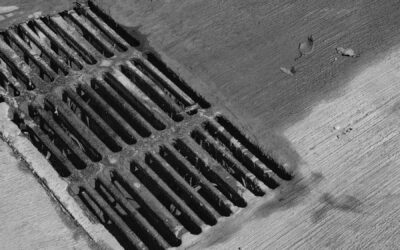
Drainage Integration: Commercial projects often require comprehensive stormwater management including catch basins, detention ponds, and water quality treatment systems.
Future Expansion: Design should consider potential business growth and infrastructure expansion needs.
Material Selection for Commercial Use
Asphalt for Commercial Applications:
- Advantages: Cost-effective for large areas, good load distribution, repairable
- Specifications: Typically requires thicker applications (4-6 inches) with higher-grade materials
- Maintenance: Regular crack sealing and periodic overlays extend life significantly
Concrete for Commercial Use:
- Advantages: Superior durability, handles heavy loads, minimal maintenance
- Applications: Loading docks, equipment pads, areas requiring chemical resistance
- Specifications: Higher strength requirements (4000+ PSI) with proper reinforcement
Specialty Applications:
- Permeable Pavement: Meeting stormwater requirements
- Colored/Decorative: Enhancing property aesthetics and branding
- Anti-skid Surfaces: Safety-critical areas
Regional Commercial Considerations
Atlantic Provinces:
- Maritime climate requires excellent drainage design
- Salt air affects material selection and protective measures
- Seasonal business variations affect construction timing
Ontario and Quebec:
- High traffic volumes and heavy truck usage
- Strict environmental regulations
- Urban density creates logistical challenges
Prairie Provinces:
- Extreme temperature variations require robust material specifications
- Oil and gas industry creates specific heavy-load requirements
- Rural locations may limit material and contractor availability
British Columbia:
- Seismic considerations for structural design
- Heavy rainfall requires comprehensive drainage
- Environmental sensitivity in many areas
Project Timeline and Phasing
Business Continuity Planning: Projects must often be completed in phases to maintain business operations. This requires careful coordination and potentially higher costs.
Seasonal Scheduling: Commercial projects often have more flexibility in timing but may face budget year constraints or seasonal business considerations.
Coordination with Other Trades: Commercial projects typically involve multiple contractors working on lighting, landscaping, utilities, and signage requiring careful scheduling coordination.
Weather Contingencies: Larger projects are more susceptible to weather delays, requiring contingency planning and potentially weather protection measures.
Cost Factors Unique to Commercial Projects
Economy of Scale: Larger projects typically enjoy lower per-square-foot costs but require substantial capital investment.
Specialized Requirements:
- Engineering and design costs
- Permit and approval fees
- Traffic control measures
- Environmental compliance costs
Quality Specifications: Commercial projects often require higher-grade materials and more rigorous quality control, increasing costs but extending pavement life.
Warranty Considerations: Commercial warranties typically cover longer periods and more demanding use conditions.
Contractor Selection Criteria
Commercial Experience: Contractors need specific experience with commercial projects, understanding of business requirements, and ability to work within operational constraints.
Licensing and Insurance: Commercial projects require higher insurance limits and often additional bonding requirements.
Equipment Capabilities: Large-scale projects require substantial equipment resources that not all contractors possess.
Project Management: Commercial contractors need sophisticated project management capabilities to coordinate complex projects and maintain schedules.
Maintenance Planning
Preventive Maintenance Programs: Commercial properties benefit from scheduled maintenance programs that address issues before they become major problems.
Budget Planning: Understanding long-term maintenance costs helps businesses budget appropriately for asset preservation.
Contractor Relationships: Establishing ongoing relationships with qualified contractors ensures responsive service when issues arise.
Documentation Requirements: Commercial properties need detailed maintenance records for asset management and insurance purposes.
Return on Investment Considerations
Property Value Impact: Quality paving significantly affects commercial property values and marketability.
Operational Efficiency: Well-designed pavement improves traffic flow, reduces vehicle maintenance costs, and enhances customer experience.
Liability Reduction: Proper design and maintenance reduce slip-and-fall risks and vehicle damage claims.
Branding Opportunities: Attractive, well-maintained paving contributes to positive business image and customer perception.
Special Commercial Applications
Loading Docks: Require heavy-duty construction, proper slope design, and often specialized materials to handle concentrated loads.
Drive-Through Facilities: Need specific geometric design for vehicle circulation and may require specialized surfacing for traction and noise control.
Industrial Applications: May require chemical-resistant surfaces, heavy load capacity, or specialized drainage systems.
Multi-Use Developments: Complex projects integrating retail, office, and residential components require sophisticated design coordination.
Working with Municipalities
Pre-Application Consultation: Complex commercial projects benefit from early municipal consultation to identify requirements and potential issues.
Professional Design Team: Engineering, landscape architecture, and planning consultants are often necessary for permit approval and optimal design.
Community Relations: Large projects may require public consultation and neighbor notification processes.
Emergency Response Planning
Business Continuity: Planning for pavement emergencies that could affect business operations.
Contractor Response: Establishing relationships with contractors who can provide emergency services.
Insurance Coordination: Understanding insurance coverage for pavement-related business interruptions.
Commercial paving success requires understanding these unique considerations and working with contractors who specialize in commercial applications. The investment in proper planning, quality materials, and experienced contractors pays dividends in operational efficiency, reduced maintenance costs, and enhanced property value.



0 Comments