
Water is the silent destroyer of driveways across Canada. From spring snowmelt in Alberta to Atlantic coastal storms, improper drainage can turn a beautiful new driveway into a cracked, settling mess within just a few seasons. Understanding and implementing proper drainage solutions is essential for protecting your paving investment.
Proper drainage isn’t just about preventing puddles—it’s about protecting your entire paving investment.
The Critical Importance of Drainage
Water’s Destructive Power: Water infiltration weakens base materials, creates freeze-thaw damage, and can undermine even the most expertly installed pavement. In Canadian climates, where temperature swings are extreme, water becomes particularly destructive.
Cost of Poor Drainage: Drainage problems that could be prevented for hundreds of dollars often lead to complete driveway replacement costing thousands. The investment in proper drainage pays dividends in pavement longevity.
Regional Challenges: Each Canadian region faces unique drainage challenges, from clay soils in the Prairies that don’t drain well, to rocky Maritime terrain that creates runoff issues, to British Columbia’s heavy rainfall patterns.
Common Drainage Problems
Surface Water Pooling: Low spots in driveways that collect water create perfect conditions for freeze-thaw damage. These depressions often worsen over time as repeated freezing expands the problem area.
Improper Slope: Driveways that don’t slope away from buildings or that have reverse grades direct water toward foundations, creating both pavement and structural issues.
Edge Drainage Failures: Without proper edge drainage, water runs off pavement onto adjacent areas, potentially undermining the driveway’s structural support and creating erosion problems.
Subsurface Water Issues: High water tables, underground springs, or broken utilities can saturate base materials, leading to settling, heaving, and premature pavement failure.
Regional Drainage Considerations
Atlantic Provinces: High rainfall and coastal storms require robust drainage systems. Clay soils common in the region retain water, making subsurface drainage particularly important.
Central Canada (Ontario/Quebec): Heavy snow loads and spring melts create seasonal drainage challenges. Urban areas often deal with limited space for traditional drainage solutions.
Prairie Provinces: Expansive clay soils that swell when wet and shrink when dry create unique challenges. Flat terrain can make achieving proper slope difficult.
British Columbia: Coastal areas deal with significant rainfall requiring comprehensive drainage planning. Mountainous regions face rapid runoff and erosion issues.
Surface Drainage Solutions
Proper Grading: Driveways should slope away from buildings at minimum 2% grade (1/4 inch per foot). For longer driveways, crown drainage that slopes to both sides may be necessary.
Cross-Slope Design: Incorporating slight cross-slopes prevents water from running down the center of long driveways, reducing erosion and channeling water to controlled drainage points.
Surface Texturing: Textured surfaces on concrete or grooved asphalt can help channel water and prevent sheet flow across large areas.
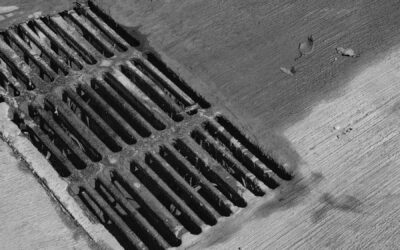
Drainage Channels: Integrated drainage channels or decorative trench drains can handle concentrated water flow while maintaining aesthetic appeal.
Subsurface Drainage Systems
French Drains: Gravel-filled trenches with perforated pipe collect and redirect groundwater away from driveway areas. Essential in areas with high water tables or clay soils.
Base Drainage: Installing drainage within the driveway base using geotextiles and proper aggregate gradation prevents water accumulation in structural layers.
Curtain Drains: Intercepting drains placed uphill from driveways can redirect surface runoff before it reaches paved areas.
Foundation Drainage Integration: Coordinating driveway drainage with existing foundation drainage systems prevents conflicts and ensures comprehensive water management.
Material Selection for Drainage
Permeable Pavers: Allow water to infiltrate through joints while providing stable surfaces. Ideal for areas with moderate drainage requirements.
Porous Asphalt: Specialty asphalt that allows water infiltration can be effective but requires proper base design and regular maintenance.
Concrete with Drainage Features: Decorative concrete can incorporate channels, textures, and slopes that manage water while maintaining attractive appearance.
Aggregate Surfaces: For rural or cottage applications, properly graded gravel surfaces with crown drainage can be very effective and economical.
Installation Best Practices
Professional Assessment: Site evaluation should include soil testing, water table assessment, and analysis of existing drainage patterns before designing solutions.
Proper Base Preparation: Adequate base thickness with proper materials and compaction is essential for supporting both the pavement and drainage infrastructure.
Quality Materials: Using appropriate geotextiles, drainage aggregates, and pipe materials ensures long-term system performance.
Integration with Landscaping: Drainage solutions should complement landscape design and direct water to appropriate discharge points.
Maintenance Requirements
Regular Cleaning: Drainage systems require periodic cleaning to remove debris, sediment, and vegetation that can block water flow.
Seasonal Inspections: Spring and fall inspections help identify developing problems before they become major issues.
Preventive Repairs: Addressing small drainage issues promptly prevents them from developing into expensive pavement repairs.
Professional Servicing: Complex drainage systems may require professional maintenance and periodic upgrades.
Cost Considerations
Installation Costs:
- Basic grading improvements: $2-5 per square foot
- French drain systems: $10-25 per linear foot
- Comprehensive drainage overhaul: $15-30 per square foot
Long-term Value: Proper drainage can double or triple pavement life, making it one of the best investments in driveway longevity.
Insurance Benefits: Some insurance companies offer discounts for properties with proper drainage that reduces flood and foundation damage risks.
Warning Signs of Drainage Problems
Immediate Indicators:
- Standing water after rain or snowmelt
- Ice formation in specific areas
- Water staining on pavement edges
- Erosion around driveway perimeter
Progressive Problems:
- Developing cracks in wet areas
- Settling or heaving near drainage issues
- Vegetation growth in pavement cracks
- Foundation moisture problems
Working with Professionals
Drainage Specialists: Complex problems may require consultation with drainage engineers or landscape architects who specialize in water management.
Integrated Solutions: The best contractors consider drainage during initial design rather than treating it as an afterthought.
Warranty Considerations: Ensure drainage work is included in contractor warranties, as drainage failures often void pavement warranties.
Proper drainage isn’t just about preventing puddles—it’s about protecting your entire paving investment. In Canadian climates where water and freeze-thaw cycles are major concerns, drainage solutions are essential components of any successful paving project.



0 Comments