
Canadian winters are notoriously hard on driveways. From freeze-thaw cycles to heavy snow loads and corrosive road salt, your driveway faces multiple challenges that can lead to costly damage if not properly addressed. Taking proactive steps in fall can save you from expensive spring repairs.
Preparing your driveway for Canadian winters isn’t just about aesthetics—it’s about protecting a significant investment in your property.
Understanding Winter Damage
Freeze-Thaw Cycles: Water infiltrates small cracks and expands when frozen, widening existing damage and creating new problems. This cycle can repeat dozens of times throughout a Canadian winter.
Salt and Chemical Damage: De-icing chemicals, while necessary for safety, can deteriorate both asphalt and concrete surfaces over time, causing scaling, spalling, and accelerated wear.
Snow Load Stress: Heavy snow accumulation adds significant weight to your driveway surface, potentially causing structural stress, especially on damaged or weak areas.
Fall Preparation Checklist
Crack Sealing (September-October): Address all cracks before freezing temperatures arrive. Use quality crack sealant appropriate for your driveway material. This is your most important winter prep task.
Professional Sealcoating (Asphalt Only): If your asphalt driveway hasn’t been sealed in 2-3 years, fall is the ideal time. Sealcoating provides a protective barrier against water infiltration and chemical damage.
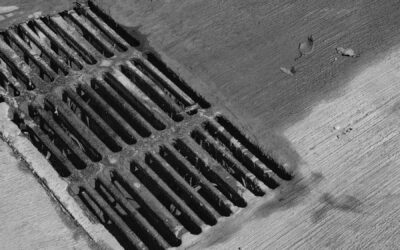
Drainage Inspection: Ensure water flows away from your driveway and doesn’t pool anywhere. Clear debris from drainage systems and consider adding drainage solutions if needed.
Edge Maintenance: Repair any edge damage and ensure proper support. Weak edges are particularly vulnerable to winter damage from snow plowing and freeze-thaw cycles.
Winter Care Strategies
Snow Removal Best Practices:
- Remove snow promptly to prevent ice formation
- Use plastic shovels or snow blowers with rubber paddles
- Avoid metal shovels and plows that can scratch or gouge
- Clear to the edges but don’t pile snow on lawn areas where meltwater might flow back
De-icing Product Selection:
- Rock Salt: Effective but can damage concrete and harm vegetation
- Calcium Chloride: Works at lower temperatures but more corrosive
- Magnesium Chloride: Less harmful to concrete but more expensive
- Sand: Provides traction without chemical damage but requires spring cleanup
Application Guidelines:
- Use de-icing products sparingly
- Apply before snowfall when possible
- Avoid over-application, which increases damage risk
- Consider alternatives like heated mats for high-traffic areas
Regional Considerations
Atlantic Canada: High humidity and frequent freeze-thaw cycles require excellent drainage and crack sealing. Salt air adds additional corrosion concerns.
Central Canada: Extreme cold means choosing de-icers that work at very low temperatures. Heavy snow loads require robust structural preparation.
Prairie Provinces: Dry cold with extreme temperature swings makes thermal expansion and contraction a major concern. Wind-blown snow can create drifting issues.
British Columbia: Milder temperatures but frequent rain-to-snow transitions create unique challenges. Focus on drainage and preventing ice formation.
Emergency Winter Repairs
Temporary Crack Filling: For cracks that develop during winter, use cold-weather crack filler as a temporary measure until permanent repairs can be made in spring.
Ice Management: If persistent ice forms in problem areas, identify the underlying cause (usually drainage-related) for spring correction.
Damage Assessment: Document any winter damage with photos for insurance purposes and spring repair planning.
Spring Recovery Plan
Early Assessment (March-April): Inspect your driveway as soon as snow melts to identify winter damage before it worsens.
Immediate Repairs: Address any new cracks or holes promptly to prevent water infiltration and further damage.
Professional Evaluation: Consider having a professional assess any significant damage to determine if repairs or replacement are needed.
Long-term Winter Protection
Proper Installation: Ensure your driveway was installed with adequate base preparation and proper drainage from the beginning.
Regular Maintenance: Stay on top of sealcoating, crack sealing, and minor repairs to prevent small issues from becoming major problems.
Professional Relationships: Establish relationships with reliable snow removal and maintenance contractors before you need them.
Preparing your driveway for Canadian winters isn’t just about aesthetics—it’s about protecting a significant investment in your property. The time and money spent on fall preparation will pay dividends in reduced spring repair costs and extended driveway life.



0 Comments